[category]
[title]
According to data from the Ocean Biodiversity Information System, two Victorian coastal gems are among the top whale-watching spots in Australia


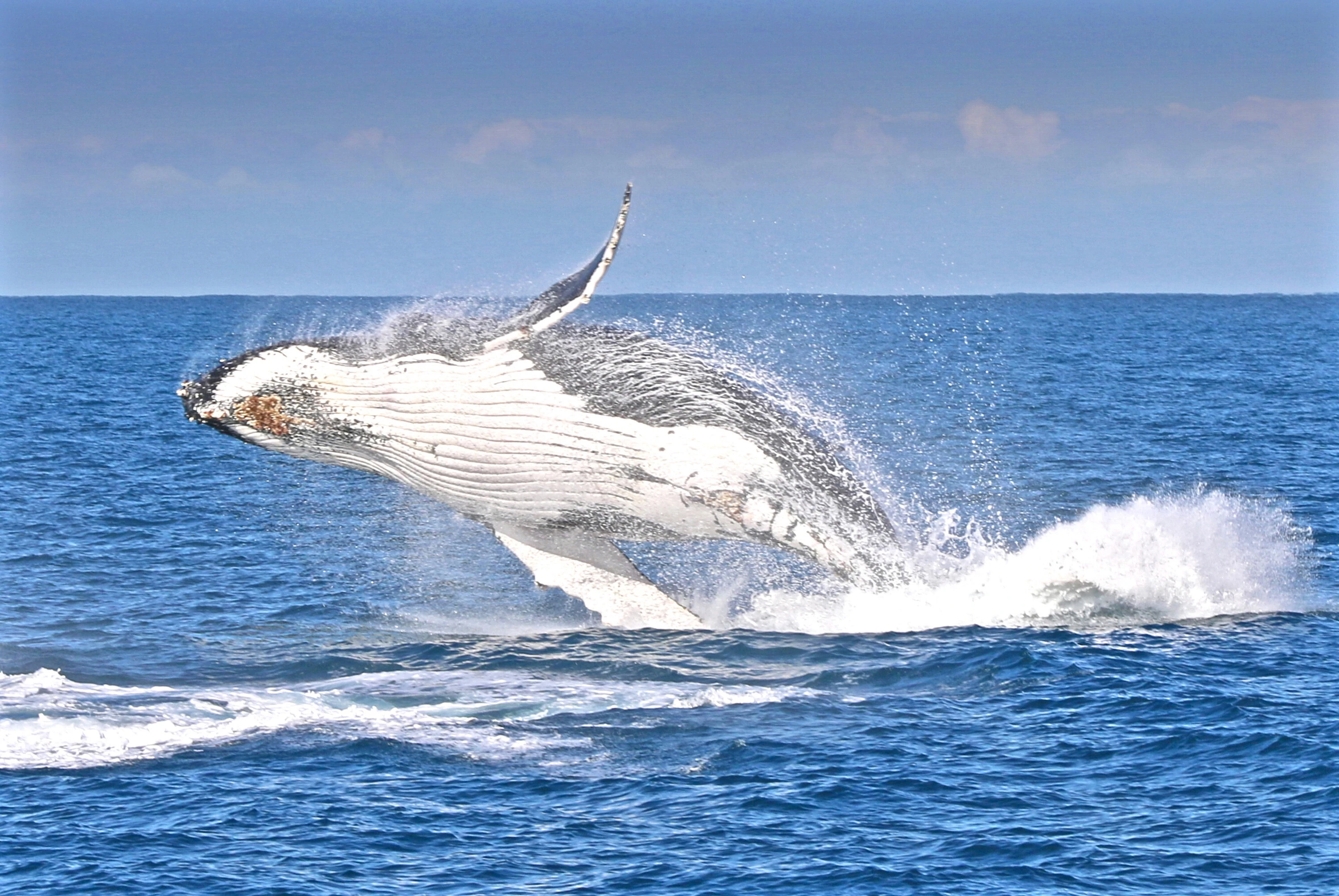
Winter has its perks, and if you’re on the east coast of Australia, whale-watching is absolutely one of them. Every year, thousands of humpbacks cruise along Australia’s so-called ‘Humpback Highway’, heading north to breed before looping back south with their calves in tow. Peak sightings tend to hit between late June and early July, when whales hug the coastline, but the real bonus round comes from August to November, when mums and babies linger longer on the return journey. Keen to catch a glimpse of these splashers in the wild? New data from travel insurance specialists AllClear (analysing more than 63,000 sightings logged on the Ocean Biodiversity Information System) has revealed the Aussie destinations with the highest numbers of recorded whale sightings, and two Victorian spots cracked the top 20.
Crowned as the fifth-best spot nationwide, Logan’s Beach in Warrnambool is the undisputed whale capital of the state. With 4,491 recorded sightings, it’s one of the most reliable land-based viewing locations in the country. The magic here is in the nursery conditions. Southern right whales, in particular, favour the sheltered waters off Logan’s Beach to give birth and raise their calves. That means you’re not just spotting distant breaches on the horizon; you’re often watching slow, intimate interactions between mothers and newborns, sometimes just metres from shore. There’s a purpose-built viewing platform overlooking the beach, which makes this one of the easiest (and most accessible) whale-watching experiences going. Peak season runs from June through to September, and patience tends to pay off – these whales stick around.
Further east, Phillip Island clocks in at number 15 on the national list, with 888 recorded sightings. While better known for its penguin parade, this island delivers a seriously underrated whale-watching experience. The northern and western coastlines offer sweeping ocean views, and during migration season, it’s not uncommon to spot humpbacks cruising past, occasionally throwing in a breach if you’re lucky. The Nobbies and Cape Woolamai are standout vantage points, where elevated clifftops give you a clear line of sight over the migratory route. What Phillip Island lacks in sheer volume compared to Warrnambool, it makes up for in variety. You’re just as likely to spot dolphins and seals between whale sightings, turning a casual coastal walk into a full-blown marine safari.
Compared to Queensland’s blockbuster numbers (hello, Hervey Bay) or Western Australia’s heavy hitters, Victoria’s coastline might seem like a dark horse. But its geography does it a few favours. The state sits directly along the southern migration path, meaning whales often pass relatively close to shore – particularly around the Great Ocean Road and Bass Strait. Add to that a mix of sheltered bays (ideal for calving) and dramatic clifftop lookouts, and you’ve got prime conditions for consistent sightings without needing a boat tour. In other words: fewer crowds, equally impressive encounters.
The takeaway? If you’re chasing guaranteed action, Warrnambool is your best bet – it’s one of the most dependable whale-watching spots in Australia, full stop. But if you’re after a more low-key, scenic experience with a side of wildlife spotting, Phillip Island more than delivers.
Stay in the loop: sign up for our free Time Out Melbourne newsletter for the best of the city, straight to your inbox.
Discover Time Out original video