[category]
[title]
Dozens of clusters and over 100 people affected – officials urge caution as reports continues to rise


If you’ve been tempted by a plate of fresh oysters lately, perhaps you should hold off that craving for another time. The city is currently dealing with a sudden uptick in food poisoning cases, with raw (or undercooked) seafood, particularly oysters, turning out to be the common link in the majority of incidents.
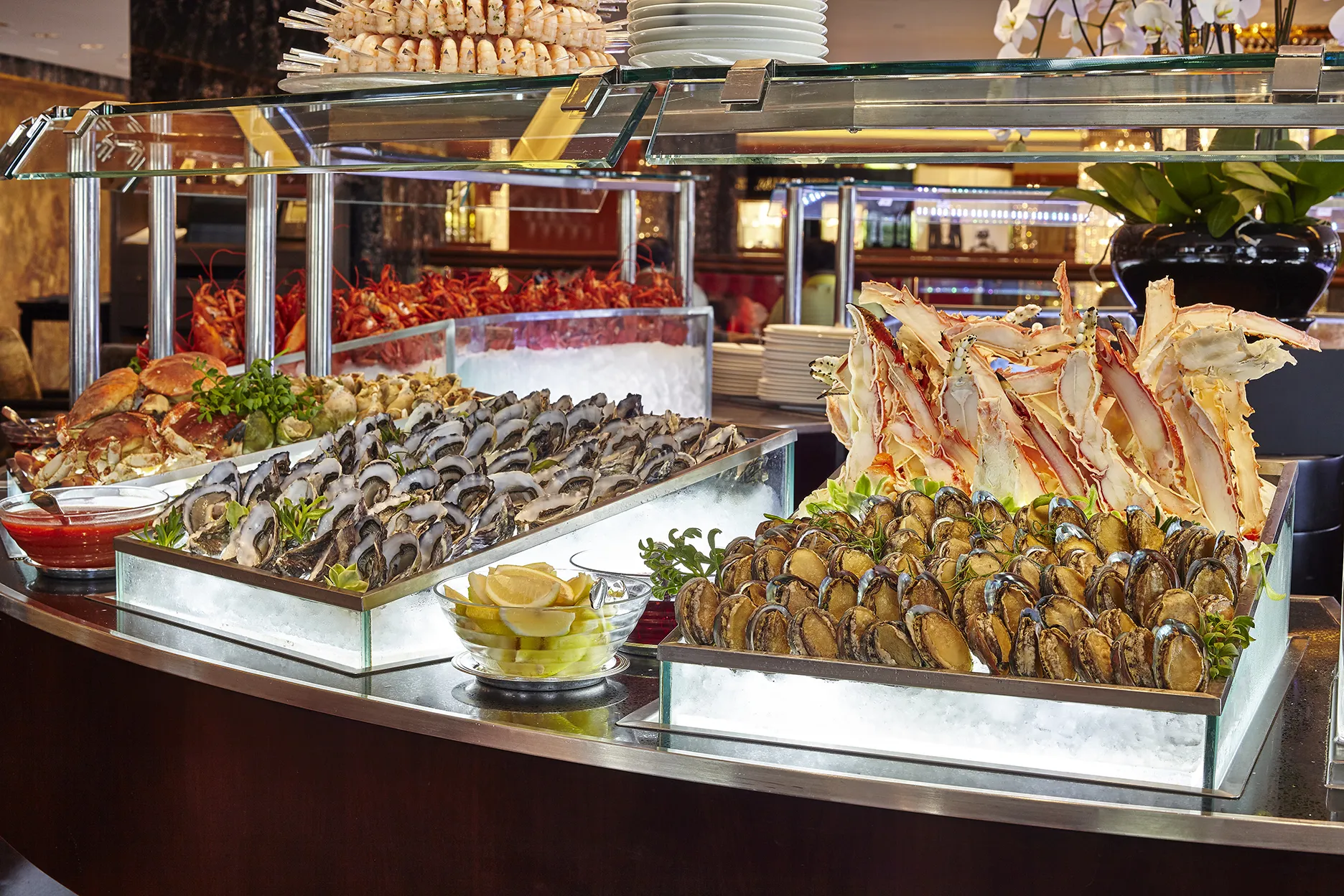
The latest cluster to make Hong Kong headlines involves eight people (five men and three women, all in their late 20s) who dined at the Clipper Lounge in the Mandarin Oriental Hotel on January 31 and February 2. They ate raw oysters, salmon sashimi, crab legs, and brown crab, and between 25 and 75 hours later, symptoms including diarrhoea, abdominal pain, vomiting, and fever had set in. Four of them sought medical care, but no one required hospitalisation and all are now recovering steadily. After field inspection by the Centre for Food Safety (CFS), early indications pointed towards the raw items as the likely source. The restaurant has since been instructed to pause sales of the suspect dishes, carry out thorough cleaning and disinfection, and strengthen food-handling practices.
This incident isn’t a one-off case either. Reported cases have climbed steadily from roughly one per week in late December last year, to an average of four cases in January. For the past few weeks alone (from January 18 to February 9), a total of 37 food poisoning cases have affected well over 100 people, with norovirus responsible for the vast majority. Time and again, epidemiological investigation has found that all affected persons had consumed raw oysters in the days leading up to their symptoms.
Other recent outbreaks have been linked to venues including Chef’s Cuts in both Wong Chuk Hang and Kai Tak, L’Amour in Central, Harvest House in Causeway Bay, Dol Dam Gil Korean Restaurant in Tsim Sha Tsui, and Odelice at New Town Plaza, Sha Tin. The oysters in question mainly came from suppliers in South Korea and elsewhere, prompting the CFS to suspend sales and distribution from several companies, including Seojun Mulsan, Jeton International Food and 88 Investment Holdings, and warn various outlets to remove any matching stock immediately.
In response, the Centre for Health Protection (CHP) and CFS are conducting thorough investigations, on-site inspections, sample testing, and intensified checks at licensed premises to ensure proper storage temperatures and handling of raw oysters. Officials have repeatedly stressed that raw and partially cooked oysters carry inherent risks, especially during the winter months when norovirus activity tends to increase.
The slightly better news is that most cases so far have been mild and self-limiting, but the rapid rise in numbers makes a little caution worthwhile. For now, the simplest way to lower your risk is to avoid raw or partially cooked bivalve shellfish, particularly if you’re pregnant, young, elderly, have a weak immune system, or have liver issues. Opting for fully cooked seafood instead is a much safer bet, as boiling or steaming shellfish at high temperatures eliminates harmful microorganisms. Good hand hygiene remains essential, which means washing your hands thoroughly with soap and water for at least 20 seconds before eating or preparing food and after using the toilet (alcohol-based sanitisers are not effective in killing norovirus). When dining out or travelling, especially to places where norovirus has been reported, it’s wise to choose hot, freshly cooked dishes over raw or cold items. And if symptoms do appear, they usually pass in one to three days with plenty of rest and fluids, but it’s best to see a doctor if things do not improve.
Stay updated through the CHP and CFS websites to keep track of any new cases as they’re reported, and here’s to enjoying the rest of the season with happy, healthy stomachs.
Stay in the loop: sign up for our free Time Out Hong Kong newsletter for the best of the city, straight to your inbox
Recommended stories:
Calbee opens a limited-time Chinese New Year pop-up at Citygate Outlets for snack fans
Macau is the most active region in Asia when it comes to love and sex, according to Time Out
Chinese New Year Night Parade returns to Tsim Sha Tsui for the Year of the Horse
Discover Time Out original video