[category]
[title]
The new high-tech e-channels is set to cut down the time to cross the border from 30 minutes to just five


The days of bracing yourself for crossing the dreaded mainland Chinese borders are soon to be over. If you’ve ever spent a humid public holiday morning standing in a line that seems to stretch into the next decade, you’ll know the feeling of a day trip being overshadowed by the sheer volume of the crowds and the long wait at the borders. The good news is, a high-tech overhaul at the redeveloped Huanggang Port is set to finally ditch the drama and significantly improve the way we cross.
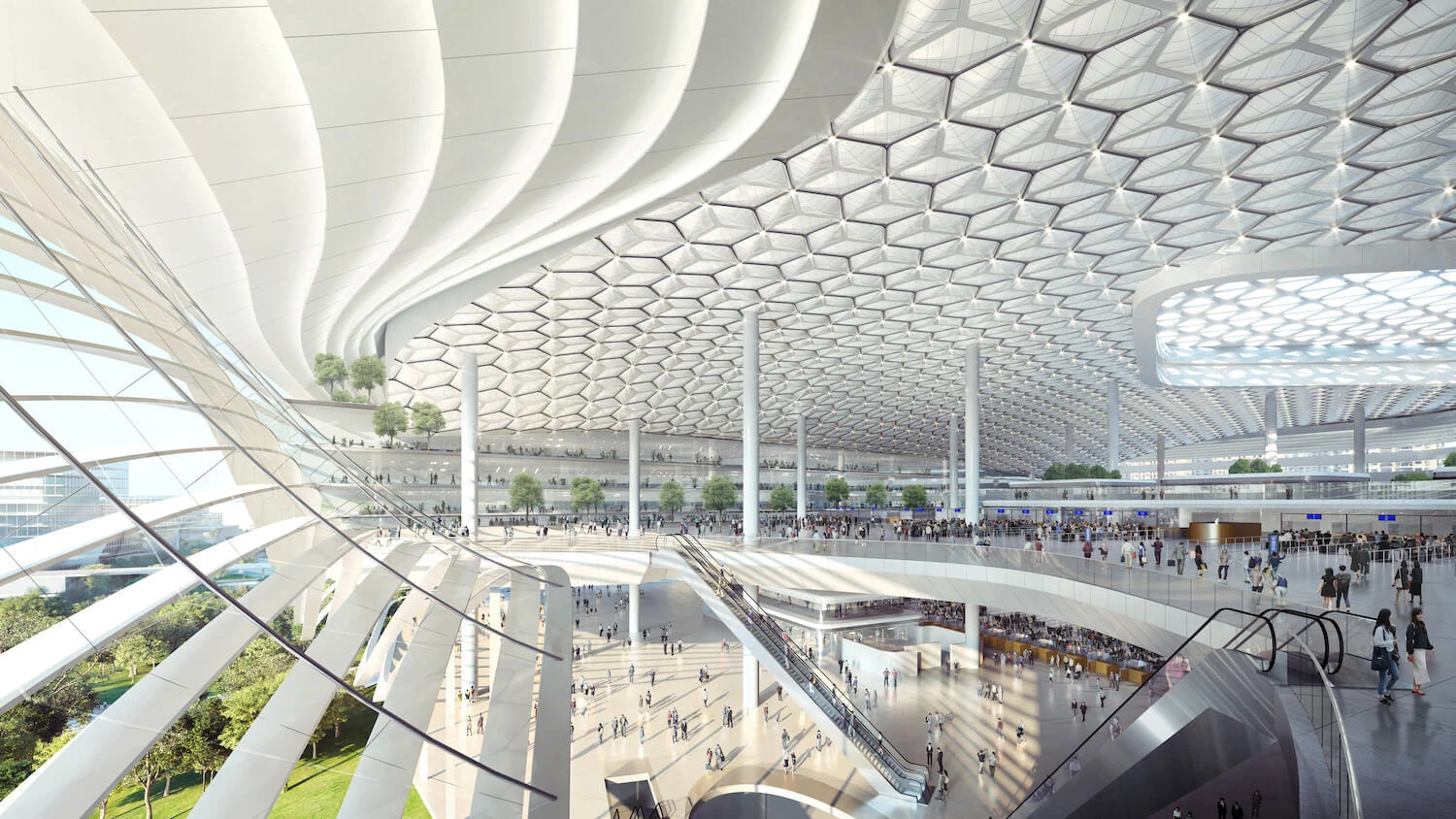
According to the latest updates from the Legislative Council and secretary for security Chris Tang, the new facility is moving to a collaborative inspection and joint clearance mode. This means the new Huanggang Port building will house both Hong Kong and mainland authorities under one roof, allowing passengers to clear both jurisdictions in a single location. This streamlined setup is expected to turn a slow half-hour shuffle across the Chinese border into a smooth five-minute transit.
The new port will be equipped with 134 automated e-channels and 68 traditional manual counters. For those using the e-channels, there are two ways to navigate – document-reading takes a quick scan of your papers, followed by facial and fingerprint verification. Alternatively, contactless face-scanning uses facial recognition to retrieve your information before you proceed to a final scan and fingerprint capture. Eligibility for these systems depends on your age and residency status. The document-reading process will be open to Hong Kong residents aged seven or above and holders of the home-return permit, mainland travel permit, and those registered for the mainland e‑channel. For the face-scanning procedure, the minimum age is 14 or above and requires no physical travel document after a one-time registration.
Drivers are also getting an upgrade with a dedicated joint one-stop lane. Instead of the current staggered inspections, a single integrated device will collect the driver’s body temperature, travel document data, facial image, and fingerprints all at once. This information is instantly transmitted to both Hong Kong and Shenzhen authorities for concurrent inspection. While the driver remains in the vehicle, passengers in private cars and cross-boundary coaches will still be required to disembark and use the main clearance halls.
As for the timeline, officials are to have the new checkpoint fully operational by the time the current administration wraps up in 2027. Once it is in full operation, the stress of the holiday border rush should finally be a thing of the past, leaving you with more time to actually enjoy your trip.
Stay in the loop: sign up for our free Time Out Hong Kong newsletter for the best of the city, straight to your inbox
Recommended stories:
Hong Kong Cinema Day is back with $30 movie tickets for one day only
Hong Kong airport now limits passengers to carrying two power banks each
Mandarin Oriental The Landmark is finally reopening this June
Discover Time Out original video