[category]
[title]
If daylight savings confuses you every year, you're not alone – here’s a quick refresher for the 2026 clock change

The weather is getting warmer, the days are getting longer and everyone is suddenly sneezing – that means spring has officially sprung in Melbourne! And with the change in season comes everyone's favourite annual gear-shift: daylight saving.
Funnily enough, even though it comes around every year, we're always left wondering when exactly it starts and, perhaps more importantly, whether we're about to gain or lose an hour of sleep.
So if you're a teeny bit confused about whether you'll be getting an extra hour in bed (spoiler alert for sleepyheads: it's the opposite), here's everything you need to know about daylight saving in Victoria in 2026.
Daylight saving starts on the first Sunday in October, which means that this year, Sunday, October 4, 2026 is the big day. At 2am, clocks will jump forward one hour to 3am, officially ushering in daylight saving time. In other words, you can say goodbye to one precious hour of sleep – but hello to longer, lighter evenings.
When daylight saving kicks in, our clocks jump forward, meaning we lose an hour.
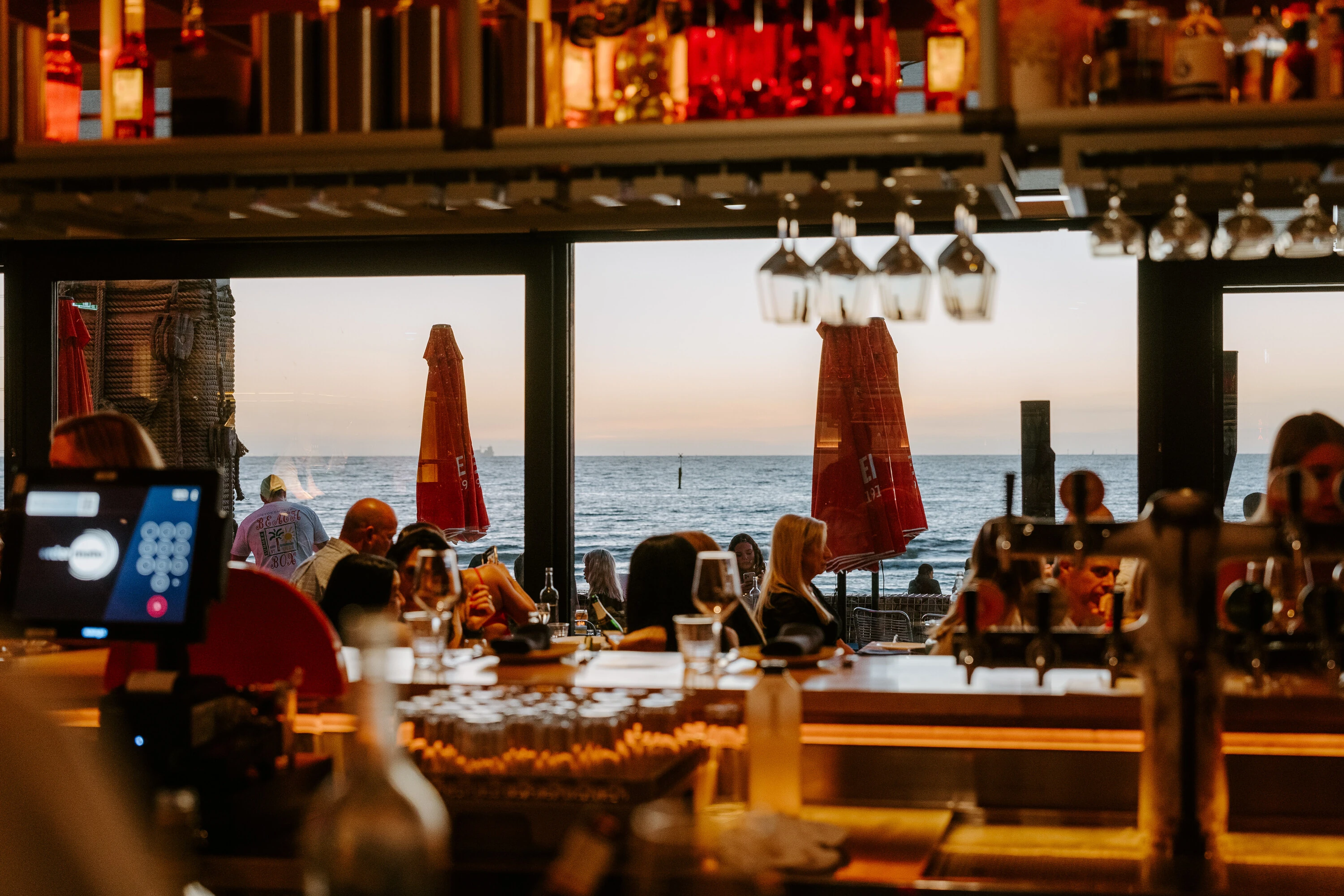
But what we lose in sleep we make up for in sunshine, with more light at the end of the day for a twilight walk, a drink with friends or dinner at that new restaurant you've been meaning to try.
Honestly, we'll take that trade.
Forward! If you have a smartphone, laptop or other internet-connected device, the time change should happen automatically.
But for those analogue clocks, watches and other manually operated timepieces, you'll need to move the clock forward by one hour when daylight saving begins.
You'll need to change your clock on Sunday, October 4, 2026. The official change happens at 2am, when the clocks jump forward to 3am. So, if you're heading to bed on Saturday night, you can either change your clock before you go to sleep or let your clever digital devices do the hard work for you.
Along with Victoria, daylight saving is observed in New South Wales, the Australian Capital Territory, Tasmania, South Australia and Norfolk Island. Queensland, Western Australia and the Northern Territory don't observe daylight saving, so their clocks remain unchanged throughout the year. Keep this in mind if you're travelling interstate – particularly if you're booking a flight, calling someone or trying to work out what time your favourite TV show starts.
Daylight saving has a long and slightly complicated history in Australia. It was introduced in several states during the First World War as a way of making better use of daylight and saving energy, before being dropped and later reintroduced.
Victoria now follows a regular seasonal system, with daylight saving beginning at 2am on the first Sunday in October and ending at 2am on the first Sunday in April.
Whatever its history, the modern-day appeal is pretty straightforward: longer evenings mean more time to make the most of Melbourne after work.
Don't think about it just yet, but daylight saving will end on Sunday, April 4, 2027.
At 3am daylight saving time, clocks will move back one hour to 2am, meaning we'll get that lost hour of sleep back.
Until then, though, we're firmly in our long-evening era. Bring on the sunshine, the late dinners and the post-work park hangs.
Stay in the loop: sign up for our free Time Out Melbourne newsletter for the best of the city, straight to your inbox.
RECOMMENDED:
These are the best free things to do in Melbourne
These are our favourite restaurants in the city
Discover Time Out original video